How to Choose a Heavyweight Hoodie: The Complete Guide to Fabric, GSM, Fit and Quality
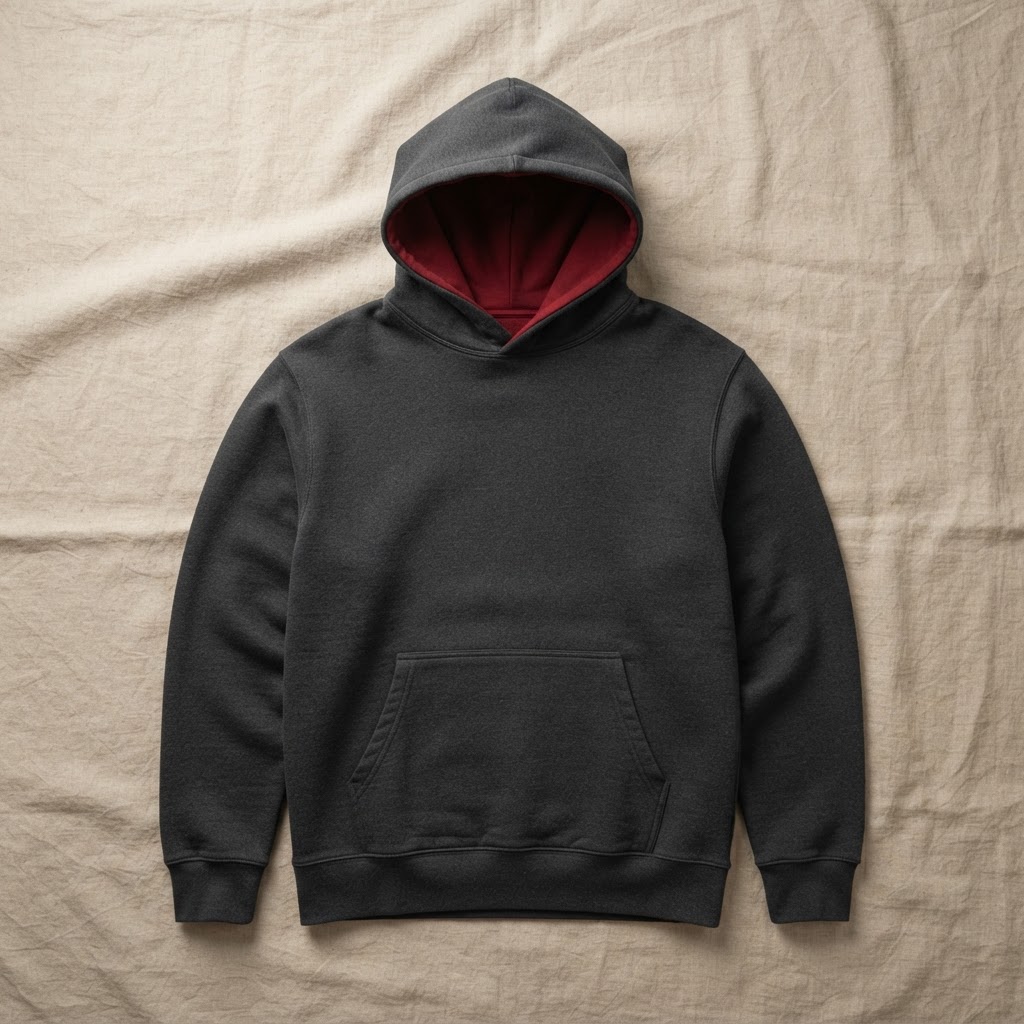
You've probably bought a hoodie that looked great online and felt like a tee with a hood once it showed up. After a few washes the cuffs went wavy, the hem started to curl, and the whole thing lost its shape. That's usually what happens when the fabric is too thin for the job.
A heavyweight hoodie fixes most of those problems. It feels solid when you pick it up, it holds its shape on your body, and it can take years of wear. But "heavyweight" gets thrown around a lot, and not every hoodie with that label is worth the money.
This guide brings together everything you need to choose a good one. We cover what makes a hoodie heavyweight, what GSM actually tells you, how fabric and fit change the way it wears, the quality details most people miss, and how to take care of it. When a topic needs more depth, we link to the guide where we break it down fully.
Key Takeaways
- A heavyweight hoodie usually starts around 350 GSM, but the exact cutoff changes from brand to brand.
- GSM tells you fabric weight per square meter. It does not prove quality on its own.
- Fiber, knit, fit, stitching and care decide how long a hoodie actually lasts.
- What Makes a Hoodie Heavyweight
- What GSM Means and What It Doesn't Tell You
- Fabric Breakdown: Cotton, French Terry, Fleece and Blends
- Finding the Right Fit
- Quality Details Most People Miss
- How to Style a Heavyweight Hoodie
- How to Care for It So It Lasts
- Is a Heavyweight Hoodie Worth the Price
- FAQ
- Conclusion: Choose the Hoodie You'll Keep
We're building our first heavyweight hoodie
Nothing has been produced yet. The people on our list get first access and help decide what gets made.
What Makes a Hoodie Heavyweight
A hoodie counts as heavyweight when its fabric carries more weight per square meter than a standard hoodie. Most brands and manufacturers put the starting line somewhere around 350 GSM, though you'll see some call 330 heavyweight and others wait until 400.
Here's a rough breakdown you'll see across the industry:
- Lightweight: under about 280 GSM. Thin, breathable and good for warm days or layering under a jacket.
- Midweight: about 280 to 350 GSM. The everyday range most mall hoodies fall into.
- Heavyweight: about 350 GSM and up. Thicker, warmer and more structured.
- Ultra heavyweight: 500 GSM and up. A niche range that some streetwear brands use for a very stiff, boxy shape.
You can feel the difference fast. A heavyweight hoodie hangs off your shoulders instead of clinging to them, and it doesn't collapse when you put a jacket over it. That structure is a big reason heavyweight hoodies became a staple in streetwear.
Still, weight is only the starting point. Two hoodies at the same GSM can feel completely different because of the cotton, the knit and how they were finished. That's what the next few sections are about.
What GSM Means and What It Doesn't Tell You
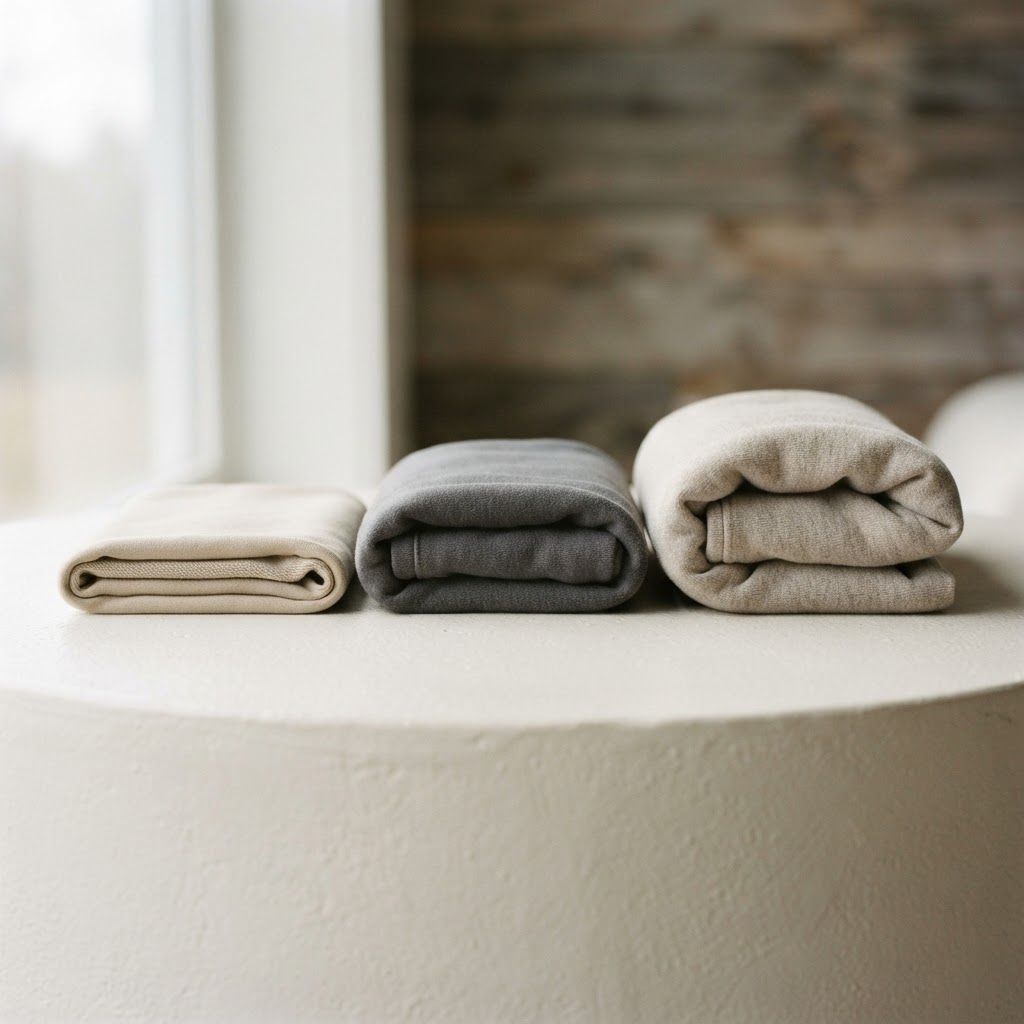
GSM stands for grams per square meter. If you cut a one meter by one meter square of fabric and put it on a scale, the number you get is its GSM. It's the same idea as grammage, which is how paper weight is measured too.
So a higher GSM simply means more fabric weight per square meter. A 400 GSM fabric, for example, weighs about 43% more per square meter than a 280 GSM fabric. That extra weight usually shows up as more warmth and more structure.
What GSM can tell you
- Roughly how warm the hoodie will be.
- How much body the fabric has, meaning whether it drapes or clings.
- Whether the hoodie will feel like a light layer or more like outerwear.
What GSM can't tell you
Here's the part a lot of brands leave out. GSM on its own doesn't prove the fabric is denser, softer or better made. It only tells you the weight.
- Fiber quality: a 500 GSM hoodie made from short, rough cotton can pill faster than a 380 GSM hoodie made from long staple cotton.
- Knit and finish: brushing, loopback knitting and garment washing all change how a fabric feels without changing its label much.
- Construction: weak seams will fail at any weight.
- Comfort: past a certain point, more weight just means more stiffness. Not everyone wants a hoodie that stands up on its own.
That's why we're still testing. For our first hoodie we're comparing fabrics between 400 and 500 GSM, and the final choice will come down to how the fabric feels and wears, not just which number is bigger.
Want the full breakdown?
We go deeper into weight classes, drape and durability in our full GSM guide.
Fabric Breakdown: Cotton, French Terry, Fleece and Blends
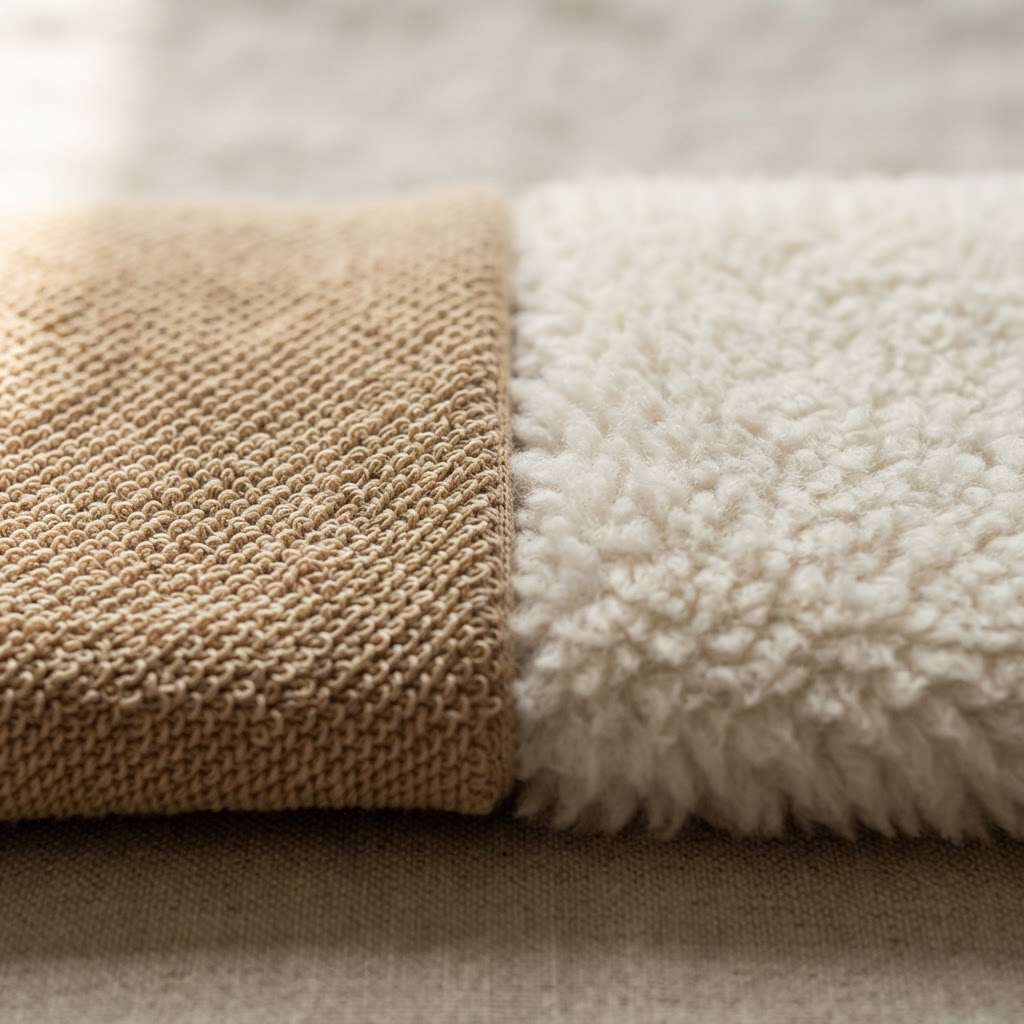
Once you know the weight, the next question is what the fabric is made of and how it was knit. This is where a lot of the real quality difference hides.
Cotton
Cotton is the base of most good hoodies. It breathes, it feels soft against your skin and it gets better with wear. Look for words like combed or ring spun on the label. Combed cotton has the short, loose fibers removed, and ring spun yarn is twisted tighter, so both tend to feel smoother and pill less.
French terry
French terry is knit with small loops on the inside and a smooth face on the outside. It's a type of terrycloth, and in a hoodie it feels soft, breathable and a little more structured. Heavy French terry, sometimes called loopback, is a favorite in streetwear because it keeps its shape well and doesn't feel stuffy.
Fleece
Fleece starts out similar, but the loops on the inside get brushed until they turn fuzzy. That brushing traps more air, so fleece feels warmer and cozier at the same weight. The tradeoff is that brushed fibers can shed and pill a little more over time.
Cotton and polyester blends
Many hoodies mix cotton with polyester. Blends shrink less, dry faster and usually cost less to make. On the other hand, they breathe less, and polyester pills tend to stay stuck to the fabric instead of falling off.
Quick way to choose: pick heavy French terry if you want structure and breathability, brushed fleece if you want maximum warmth, and a high cotton content if you want a hoodie that ages well.
Finding the Right Fit
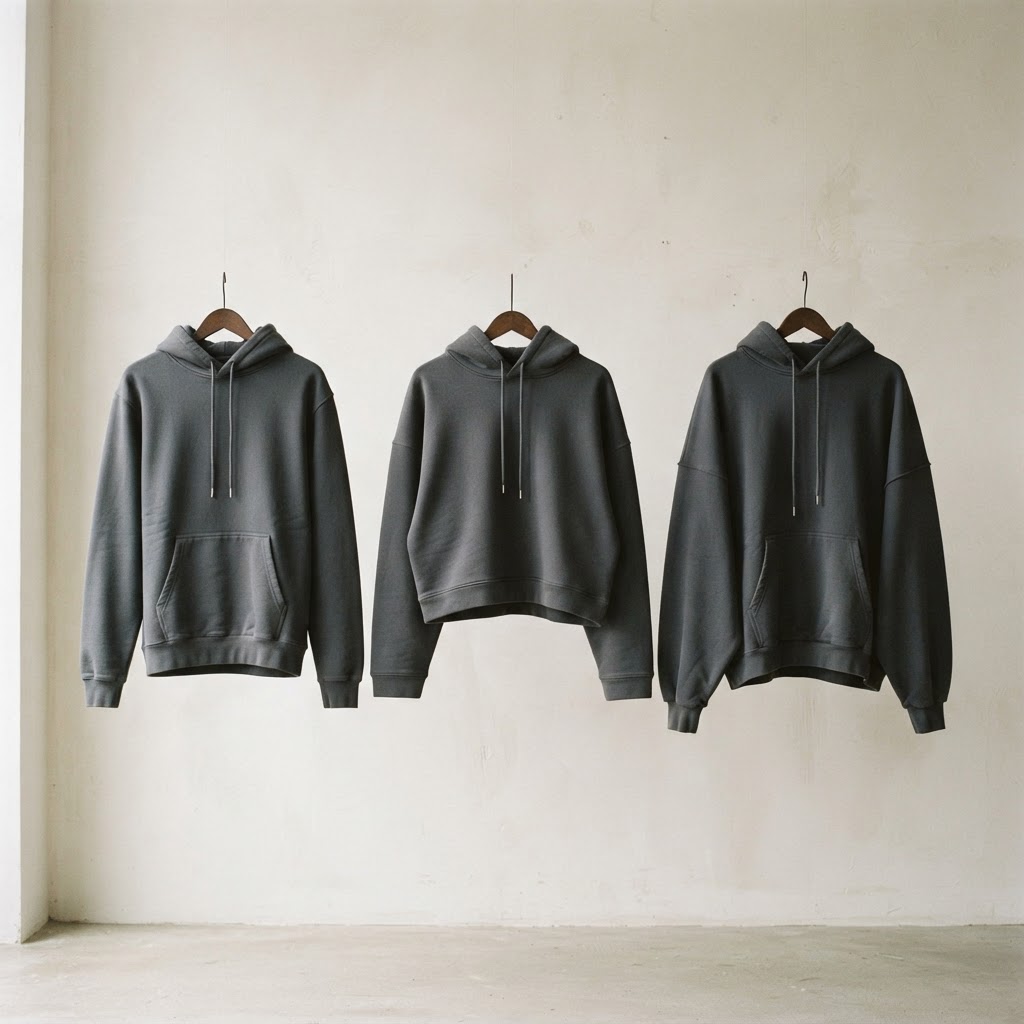
A heavyweight fabric only looks good if the cut works with it. Heavier fabric adds volume, so the same size can look bigger than you expect. Here are the main fits you'll run into.
Regular fit
The classic hoodie shape. Shoulder seams sit on your shoulders, the body is straight and the sleeves end at your wrist. It's the safest choice if you mostly wear your hoodie on its own.
Boxy fit
A boxy hoodie is wider through the body and a little shorter. The hem usually lands around your hips, which makes it easy to pair with wide leg pants or cargos.
Oversized and drop shoulder
Oversized hoodies have extra room everywhere, and the shoulder seam drops down onto your upper arm. This is the shape most people picture when they think of streetwear. The key is that it should look intentional, not borrowed. We cover exactly how to pull that off in our guide on how to style an oversized hoodie.
How to measure before you buy
- Lay your favorite hoodie flat and measure across the chest from armpit to armpit.
- Measure the length from the top of the shoulder to the hem.
- Compare both numbers to the brand's size chart instead of guessing from the size letter.
- If you plan to wear a jacket over it, make sure the jacket still fits over that chest measurement.
- Check whether the fabric is preshrunk. If it isn't, expect it to shrink a bit after the first wash.
Quality Details Most People Miss
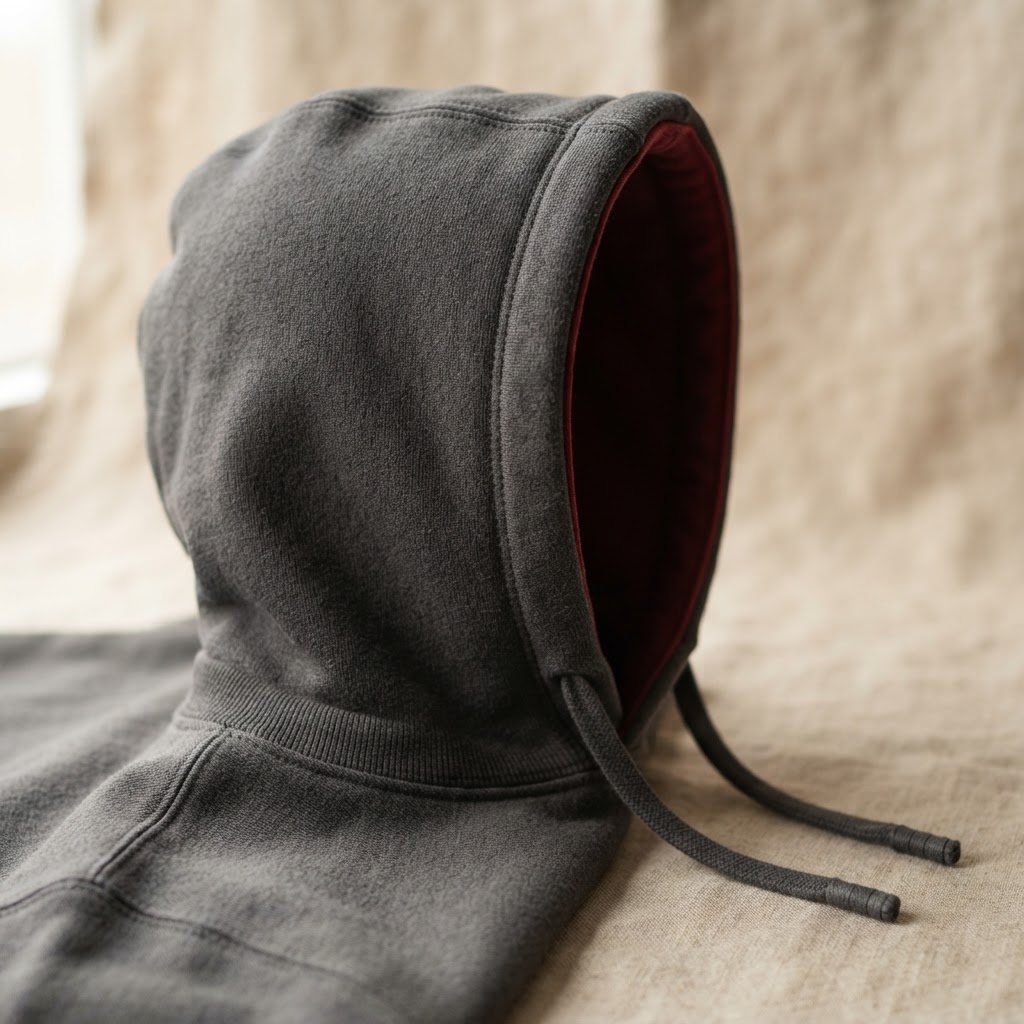
Weight and fabric get all the attention, but the small details are what separate a hoodie that lasts one season from one that lasts years. Check these before you buy.
The hood
A good hood is double layered, so it holds its shape and doesn't flop flat against your back. Look at how it sits on the model or on a hanger. If it collapses, it will look even worse after a few washes. A lined hood also gives a brand room for a small detail, like the red lining in the design we're working on.
Stitching
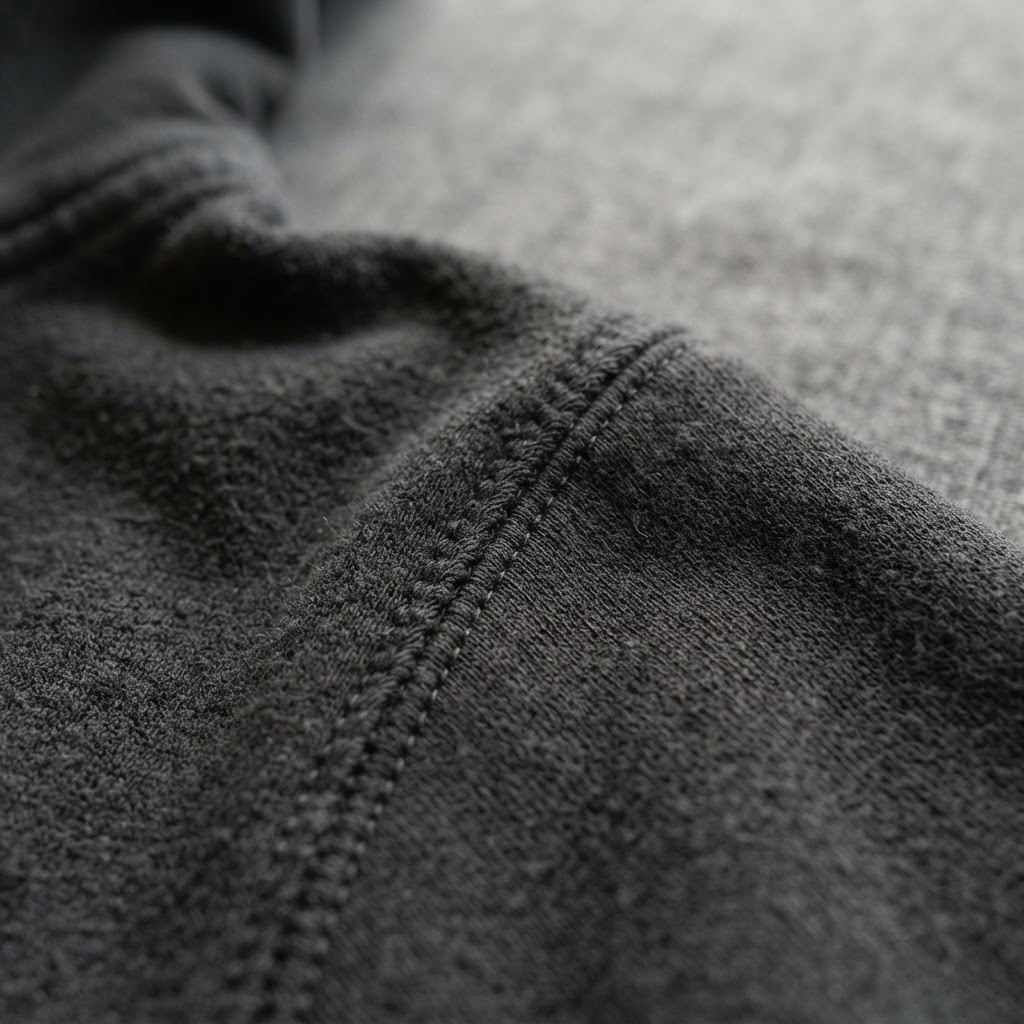
Turn the hoodie inside out. Seams should be straight, tight and even, with no loose threads. Double needle stitching on the shoulders, armholes and hem is a good sign, since those are the spots that take the most stress.
Cuffs and hem
The ribbing on the cuffs and waistband should snap back when you stretch it. Thin ribbing goes wavy fast, and it's one of the first places a cheap hoodie gives up. Some heavyweight hoodies also add side panels of ribbing so the body moves better.
Prints and embroidery
Heavier fabric supports detailed embroidery and thick prints better because it doesn't pucker as easily. Run your hand over a print. It should feel smooth and flexible, not stiff or cracked.
We break down even more of these details, and how they add up to a piece worth keeping, in our guide on what makes a luxury streetwear hoodie worth the investment.
How to Style a Heavyweight Hoodie

The good news is that a heavyweight hoodie does a lot of the styling work for you. Because it holds its shape, it looks clean on its own and works as a solid base under other layers. A few simple rules go a long way.
- Balance the volume. If the hoodie is oversized, keep the pants straight or wide and the shoes a little chunky so the outfit doesn't look top heavy.
- Keep the colors tight. Two or three colors are enough. Charcoal, ivory, sand, black and olive all mix easily.
- Let the hood sit outside. When you wear a jacket over it, pull the hood out over the collar. It frames the outfit and looks finished.
- Mix casual and sharp. A heavyweight hoodie under a wool overcoat is one of the easiest ways to make a simple outfit look expensive.
- Watch the lengths. Either let the hoodie show a couple of inches below your jacket or cover it completely. An awkward inch looks like a mistake.
Heavier hoodies also take up more room under outerwear, so size your jacket with that in mind.
How to Care for It So It Lasts
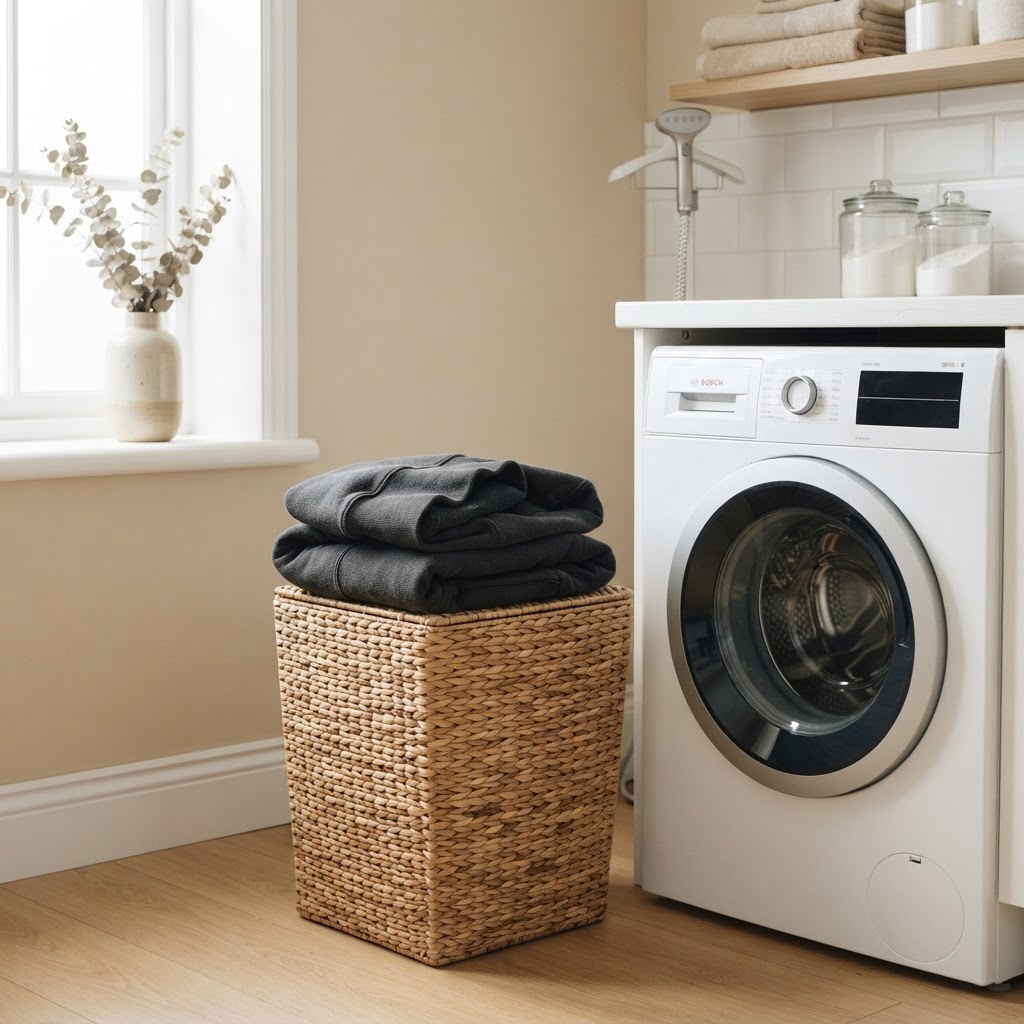
A heavyweight hoodie is built to last, but how you wash it decides whether it still looks right after a year. Most of the damage happens in the dryer, not on your body.
- Wash it cold. Hot water shrinks cotton and fades color faster.
- Turn it inside out. This protects the outside of the fabric and any print or embroidery from rubbing against other clothes.
- Wash it with similar fabrics. Washing a hoodie with towels or rough denim speeds up pilling, those little fuzz balls that show up on the surface.
- Skip high heat. Tumble dry on low or, even better, lay it flat to dry. Heavy fabric holds a lot of water, so it can take longer than you expect.
- Don't hang it wet. The weight of the water can stretch out the shoulders. Lay it flat instead.
- Wash it less often. A hoodie you wear over a tee doesn't need a wash after every wear. Airing it out between wears keeps the fabric in better shape.
If pills do show up, a fabric shaver removes them in a couple of minutes without hurting the fabric.
Is a Heavyweight Hoodie Worth the Price
A heavyweight hoodie almost always costs more, and there's a real reason for it. More fabric weight means more cotton in every piece, and better yarn, tighter stitching and preshrinking all add to the cost of making it.
Whether it's worth it comes down to how you'll use it. Think about cost per wear. A cheap hoodie you wear 30 times before it goes wavy and gets donated costs more per wear than a better one you wear 200 times over a few years.
A heavyweight hoodie is probably worth it if:
- You wear hoodies several times a week.
- You live somewhere with cold mornings, like here in Utah.
- You want a piece that works on its own and under a coat.
- You'd rather own fewer things that last.
It might not be worth it if you mostly need a light layer for the gym or you live somewhere warm most of the year. In that case a good midweight hoodie will serve you better.
Just remember that a high price or a big GSM number doesn't guarantee quality. Use the checklist in this guide: fiber, knit, fit, hood, stitching and ribbing. If a hoodie passes all of those, you're paying for something real.
FAQ
What GSM is considered a heavyweight hoodie?
Most brands treat about 350 GSM and up as heavyweight, and 500 GSM and up as ultra heavyweight. The exact line changes from brand to brand, so always check the actual number instead of trusting the label.
Is a higher GSM hoodie always better?
No. A higher GSM means more fabric weight per square meter, which usually means more warmth and structure. It doesn't prove the cotton, knit or stitching is better. A well made 380 GSM hoodie can outlast a poorly made 500 GSM one.
Do heavyweight hoodies shrink?
Cotton can shrink, especially in hot water or high dryer heat. Preshrunk fabric shrinks much less. Washing cold and drying low or flat keeps shrinking to a minimum.
Is French terry or fleece better for a heavyweight hoodie?
It depends on what you want. French terry is more breathable and holds a cleaner shape. Brushed fleece feels softer and warmer at the same weight.
Can you wear a heavyweight hoodie in warm weather?
On cool mornings and evenings, yes. On hot days it will feel like too much. Many people wear one in the morning and tie it around their waist by the afternoon.
When is the first Endless Affection drop?
It hasn't been announced yet. Waitlist members hear first. You can find more answers about the brand on our FAQ page.
Conclusion: Choose the Hoodie You'll Keep
Choosing a heavyweight hoodie isn't about finding the biggest number on the label. GSM tells you the fabric weight, but the cotton, the knit, the fit and the way the hoodie is put together decide whether it's still in your rotation years from now.
So here's the short version. Look for roughly 350 GSM or more if you want real structure and warmth. Pick French terry for shape and breathability or fleece for maximum warmth. Choose a fit that matches how you dress. Check the hood, the seams and the ribbing. Then wash it cold and dry it low so it lasts.
That's the standard we're holding our own first hoodie to. Endless Affection started with a single piece made for someone we love, and you can read that story on our About page. Every piece we make is meant to be worn for real, not saved for a special occasion.
Be first in line
Our first heavyweight hoodie is still in development and nothing is for sale yet. Join the waitlist to hear about the drop before anyone else, and follow along to see it come together.
Follow Endless Affection
Get new drops and style guides first
Keep Reading
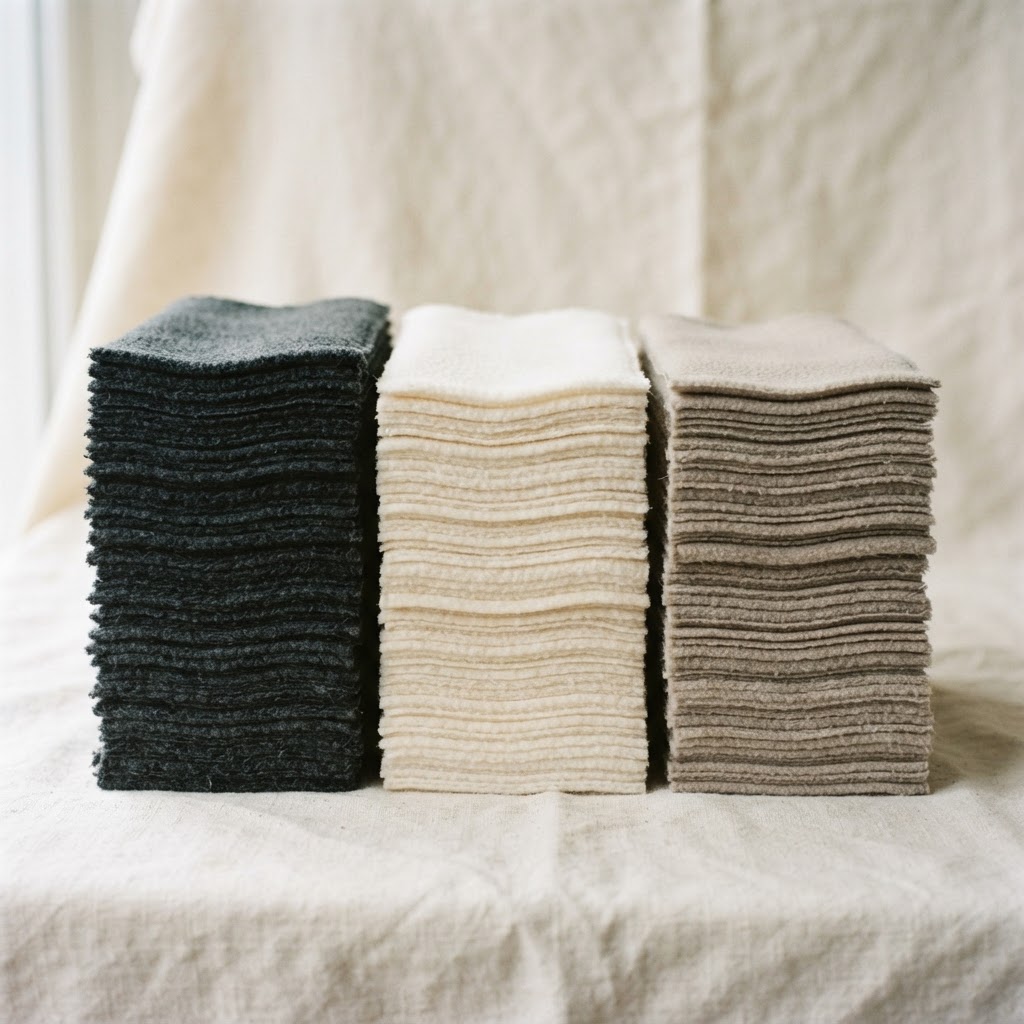
Why Fabric Weight and GSM Matter in a Premium Hoodie
Two hoodies can look identical online and feel completely different in person. The reason is almost always fabric weight. Once you understand hoodie G…

How to Style an Oversized Hoodie: Streetwear Outfits That Actually Work
Oversized should look intentional, not borrowed. There is a real difference between a relaxed fit that reads confident and one that just looks like yo…

How to Layer a Hoodie for Fall: The Streetwear Guide to Getting It Right
Fall is the best season to get dressed, and it's not even close. The mornings are cold, the afternoons are warm, and you need an outfit that can handl…